Custom software development Systems designed around how
your business actually runs.
When the work no longer fits off-the-shelf software, or lives across several tools and spreadsheets, GEMIS designs and builds a system around your processes, your people and the way the business is run.
The situation
When the business has outgrown its tools
Most operations do not lack software. They have several tools that each hold part of the picture, a spreadsheet that holds the rest, and people who spend their day moving information between them.
Signs you may recognise
- The same customer or job is entered in more than one place.
- The real figures live in a spreadsheet someone maintains by hand.
- Staff work around the software rather than with it.
- Nobody can follow a job from first enquiry to final invoice in one place.
What GEMIS delivers
One system for the work, captured once
The kinds of system GEMIS builds. Most projects combine several.
-
Internal management systems
The everyday work — enquiries, jobs, quotes, stock — in one system instead of several.
-
Workflow automation
Routine steps such as reference numbers, invoices and alerts handled by the system, not by memory.
-
Customer & supplier portals
Outside parties act on their part of the work — accepting a quote, paying, tracking an order — without phoning in.
-
Operations platforms
Scheduling, dispatch and tracking for work spread across sites, vehicles and teams.
-
Business portals
One web entry point where staff, partners or clients reach the information and tasks that concern them.
-
Enterprise applications
Larger systems with role-based access, so each person sees and does what their role requires.
How the engagement works
How a custom system takes shape
The emphasis shifts from project to project; the order of thinking does not.
-
Map the work
How the process is actually done today — on the floor, not on a whiteboard.
-
Find the friction
Where information is retyped, delayed or lost, and what that costs.
-
Design with users
Screens and workflows shaped and checked with the people who will use them.
-
Build in stages
Working software demonstrated as it grows, so the direction can change early.
-
Go live and stay
A careful rollout, then support and improvement from the team that built it.
Evidence from real projects
Where this has been done
Projects whose recorded scope shows this work. All case studies
Construction services — waterproofing and roofing
SBS Waterproofing
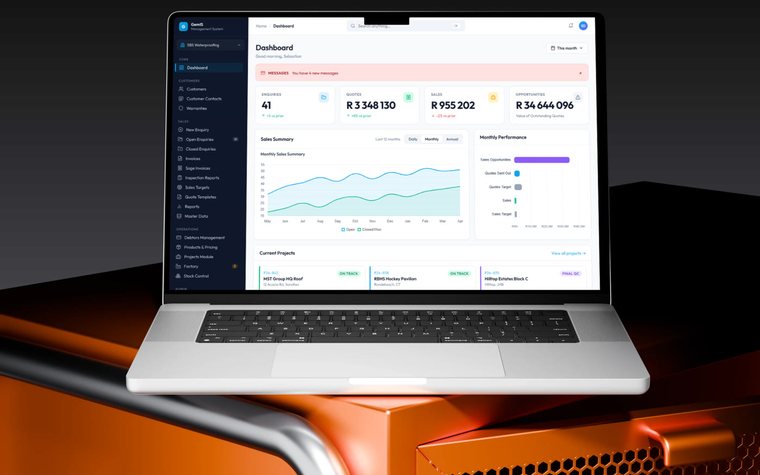
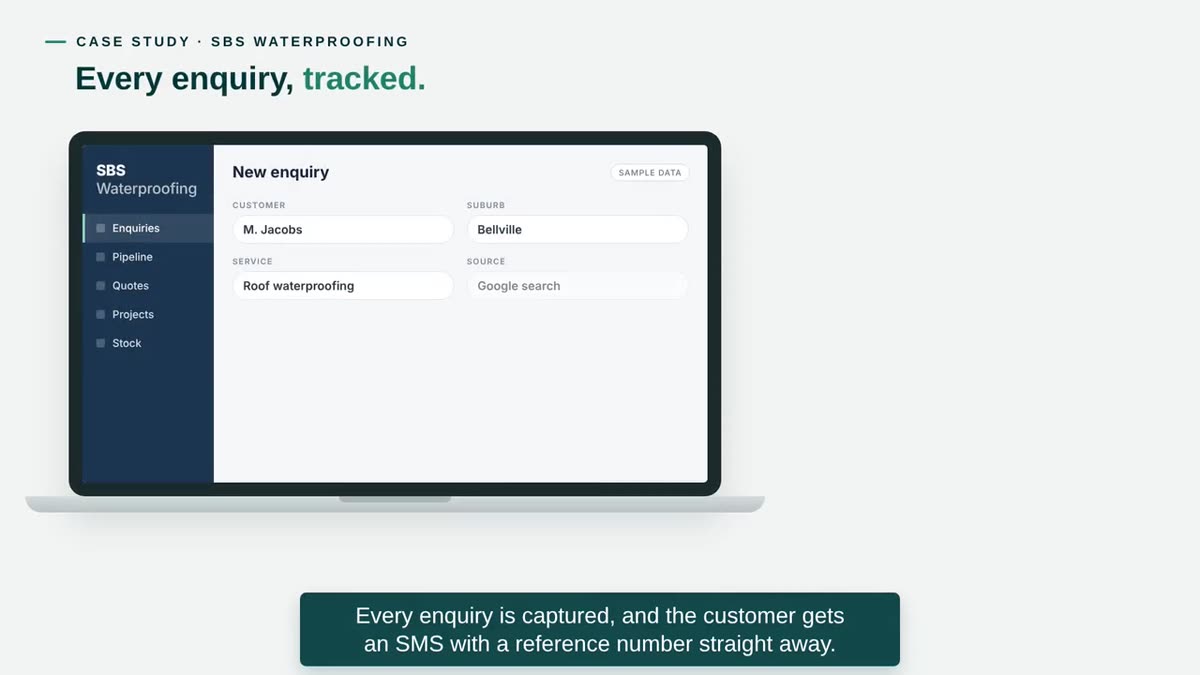
When off-the-shelf apps stopped keeping up, GEMIS built SBS its own system in 2015 — enquiries, pipeline, online quote acceptance, deposits, profit per job and stock alerts. SBS still runs its business on it.
Read the case study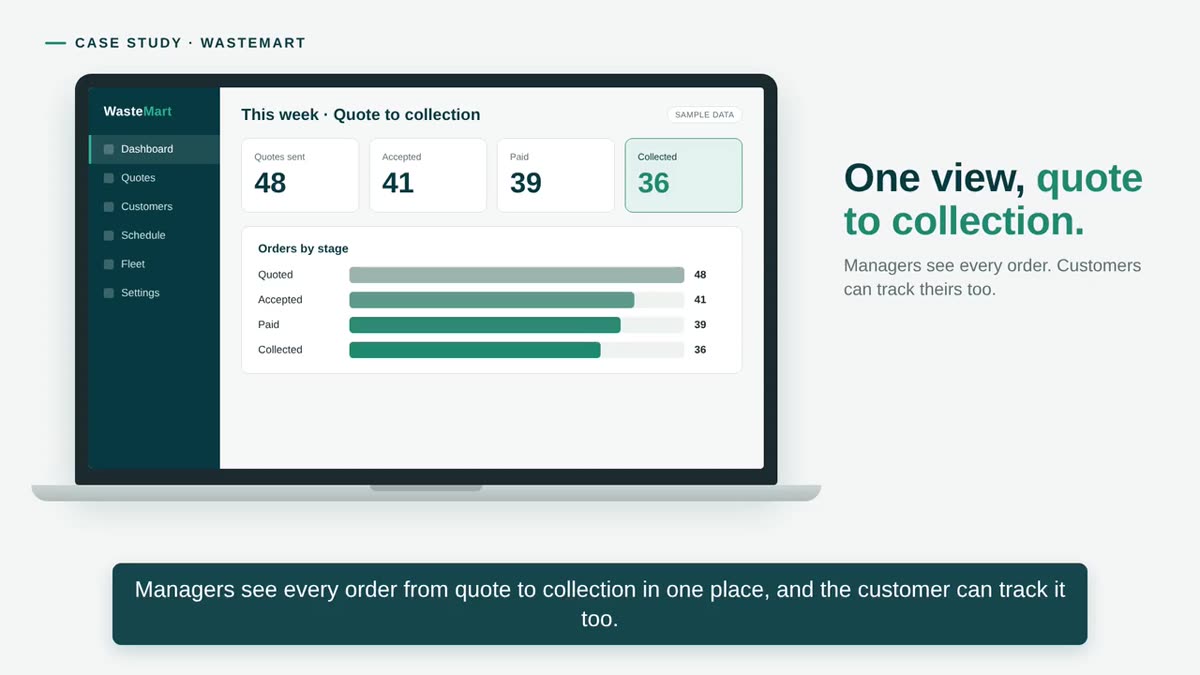
Waste management and skip hire
WasteMart
One system from priced quote to confirmed collection, with customers paying through a secure link. WasteMart confirms it gives each depot six hours a week back.
Read the case study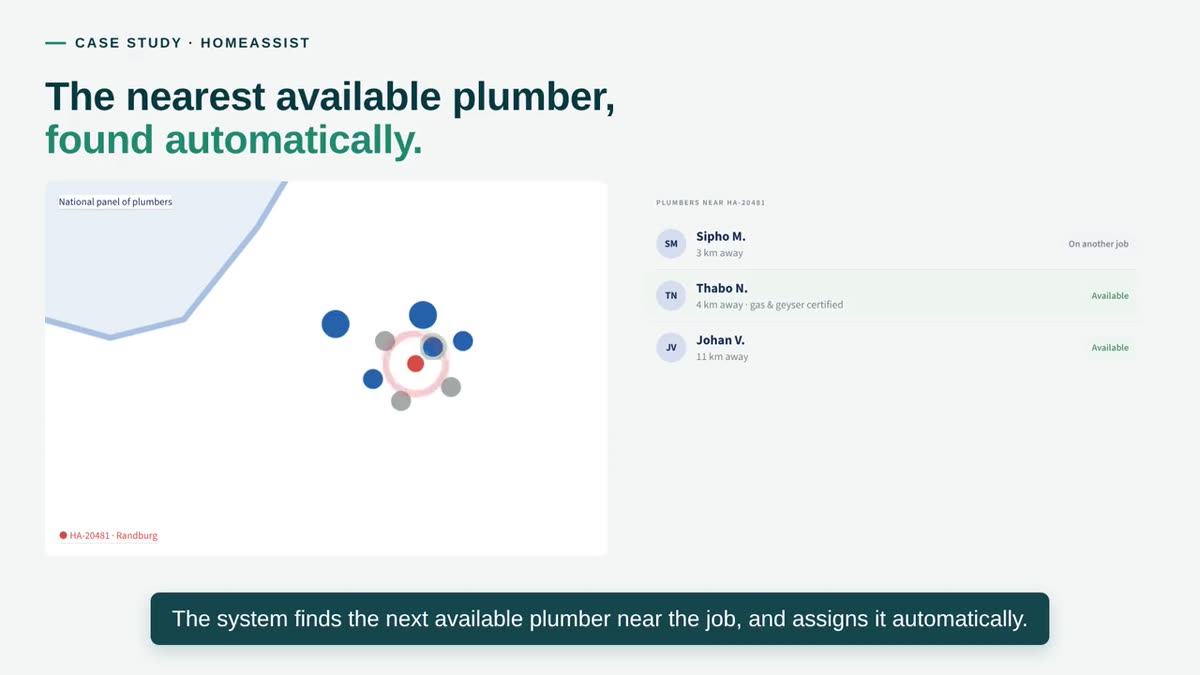
Insurance and home services — plumbing repairs
HomeAssist
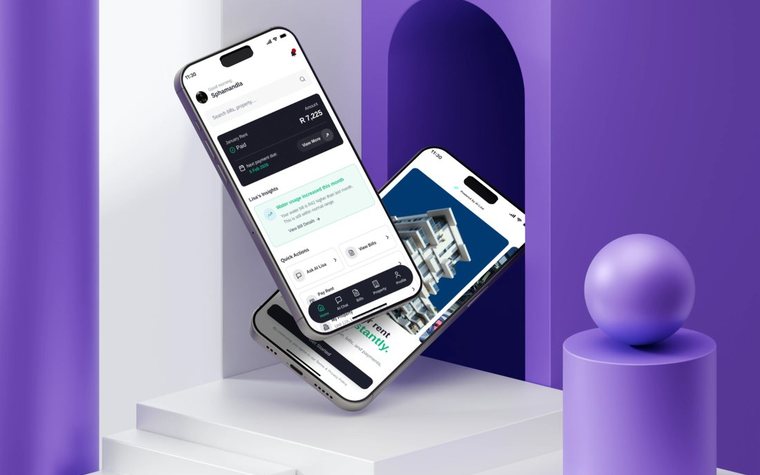
Plumbing claims handled in one system: reported online or by insurers, assigned to the nearest available plumber, and tracked to sign-off.
Read the case studyIn their words
The GEMIS team consistently met deadlines and delivered a solution that streamlined our operations, enhancing customer satisfaction and our market position.
Keshan Patel CEO · HomeAssist (Pty) Ltd
Read the HomeAssist storyQuestions
Common questions
The questions that come up first about Custom software development. Anything not answered here is worth raising in a discovery conversation.
How does a custom software project start?
With discovery: we learn how the work is done today, where it breaks and what a change is worth, before anything is designed or priced. What we find shapes the scope, and you decide whether to go further.
What does a custom system cost?
It depends on the scope, so we do not publish prices. A custom build usually costs more up front than a software licence; whether it pays back depends on how much work the current tools are causing. Discovery puts both sides of that into numbers for your business.
Can it connect to the systems we already use?
Usually, where those systems offer a way to connect. The system built for SBS Waterproofing passes deposit invoices to accounting, and HomeAssist’s links to insurers and manufacturers. Each connection is assessed during discovery rather than assumed.
Who owns the system and the code?
Ownership, licensing and handover are set out in the agreement for each project, so we agree them with you before the build starts.
What happens after go-live?
GEMIS can stay on to maintain and improve the system. SBS Waterproofing, HomeAssist and WasteMart have each worked with us for more than ten years.
Custom software development
Tell us how the work runs today.
Describe the process, the tools it depends on and where it breaks. We come back within two working days with a short written view and a time to talk.