The signs you have outgrown it
Every business starts in a spreadsheet, and for a while that is exactly right. The signs that it has stopped being right are consistent across the companies we have worked with: two people cannot update it at the same time; nobody is sure which copy is current; a figure in the monthly report cannot be traced back to where it came from; one person’s leave stops the business; and the “master” has a tab called “old – do not use” that is still used.
The real cost is not the spreadsheet. It is the hours a week spent reconciling it against the accounting system, the customer who was quoted twice at two prices, and the decisions that wait for the report.
What a system changes
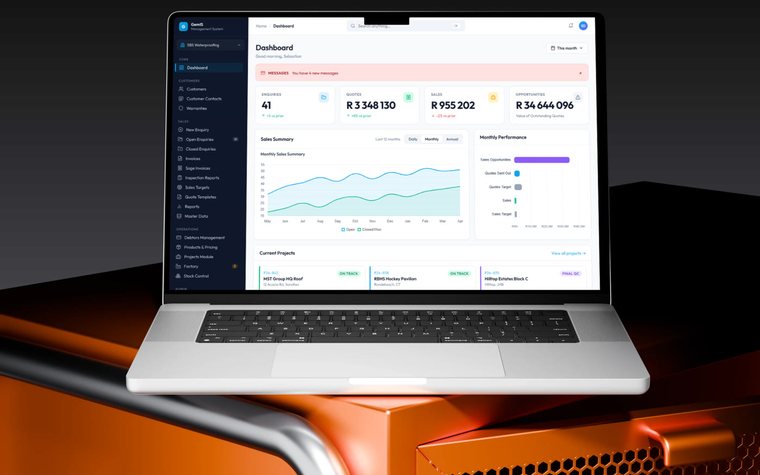
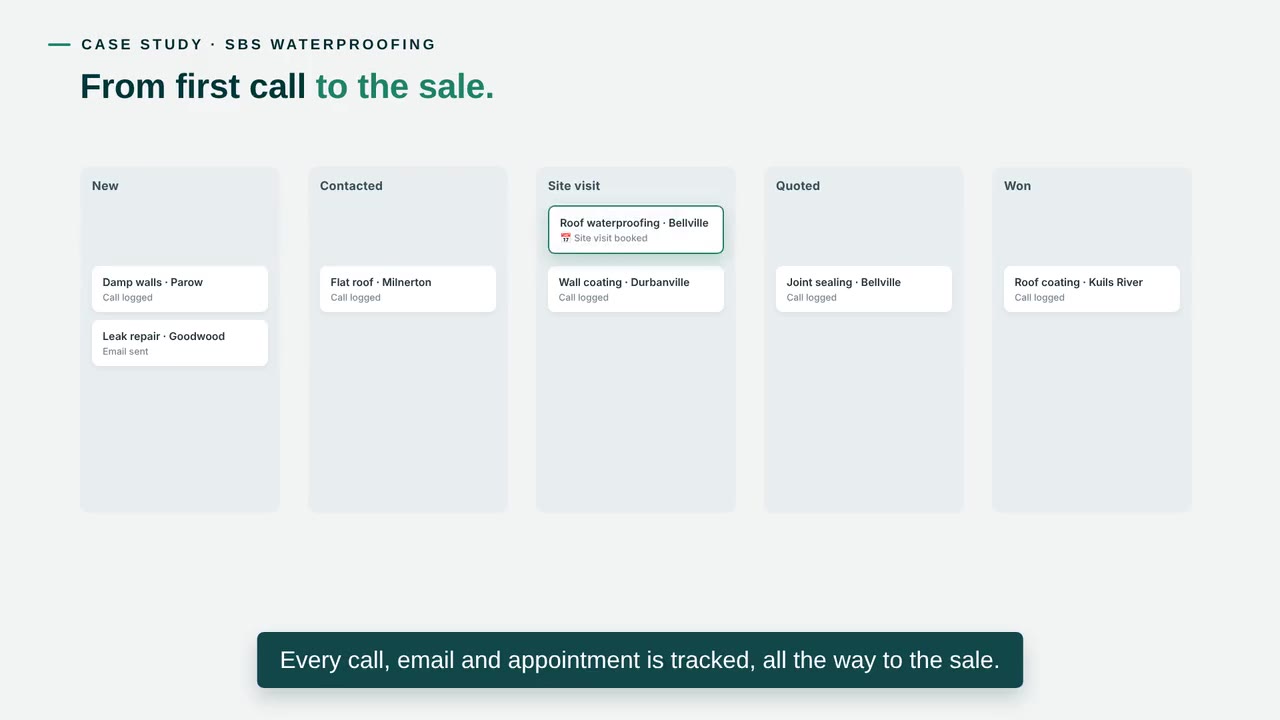
A system captures each piece of work once, at the point it happens, by the person who did it. Everyone else sees the same record. The report is not compiled; it is simply looked at. The rules the business lives by — a quote needs terms, a job needs a driver, an invoice needs a signed delivery note — are enforced by the system rather than remembered by the person.
The businesses we work with describe the change the same way: not that the system does something new, but that the arguments stopped.
What it really costs
Honest numbers are hard to give without a conversation, but the shape of the cost is consistent. A system designed around one business, built on the Microsoft Cloud and supported afterwards, is a project measured in months, not weeks, and in a capital figure plus a monthly running cost. Against that sits the time the business is currently spending on reconciliation, the errors it is absorbing, and the growth it cannot take on because the spreadsheet will not stretch.
For a business that is already running on a platform like ManaGEM, the monthly figure is lower and the start is faster, because the system exists and is configured rather than built. The right answer depends on how unusual your operation is — and that is the first thing a discovery session establishes.
How to move without breaking the business
- Map the process as it is actually done, not as the procedure says. The spreadsheet is a good guide to what people really track.
- Decide what the system will own, and stop maintaining the spreadsheet for that once it is live.
- Migrate the data once, clean it as you go, and accept that some history stays in the archive.
- Run the old and new side by side for one cycle — one month-end, one billing run — then switch.
- Keep the people who built it. The system will need to change as the business does.